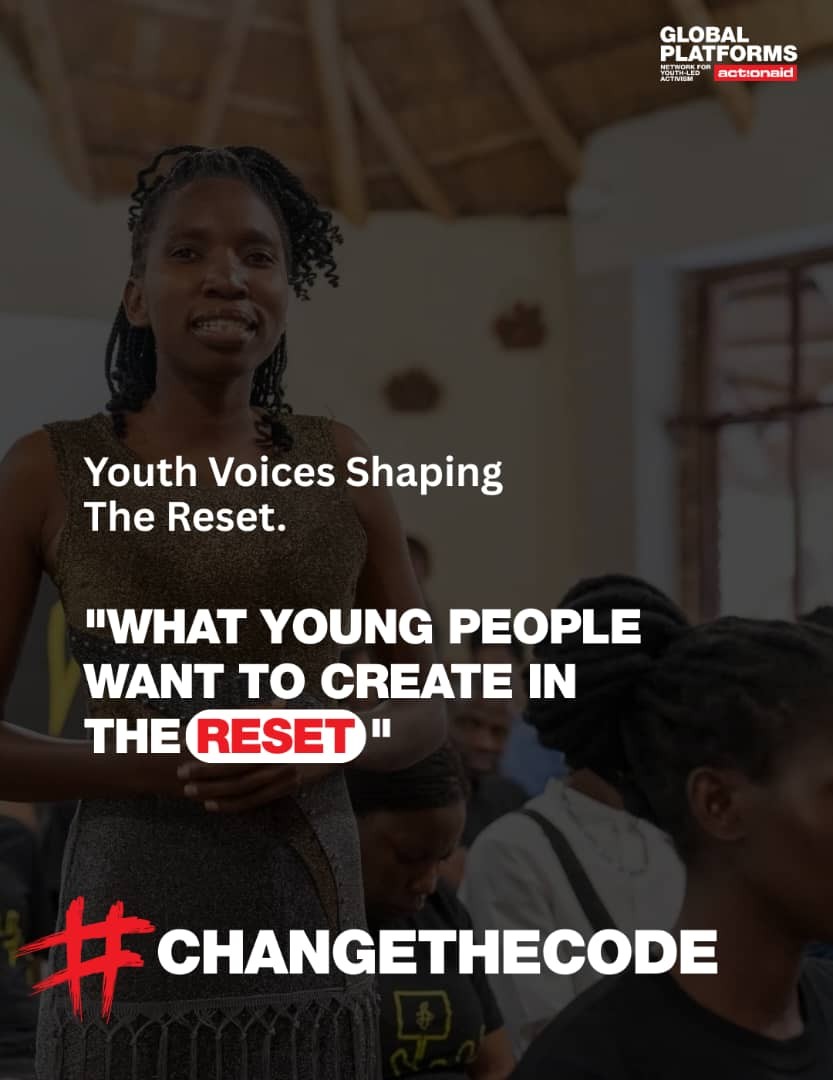
Featuring the voice of Annle Ncube (Zimbabwe)As young people across the #ChangeTheCode campaign continue to speak out, one truth keeps coming out: The Humanitarian Reset still feels distant, especially for those living the realities of crisis every day.And no story captures this more clearly than the voice of Annle Ncube, a young woman activist from …

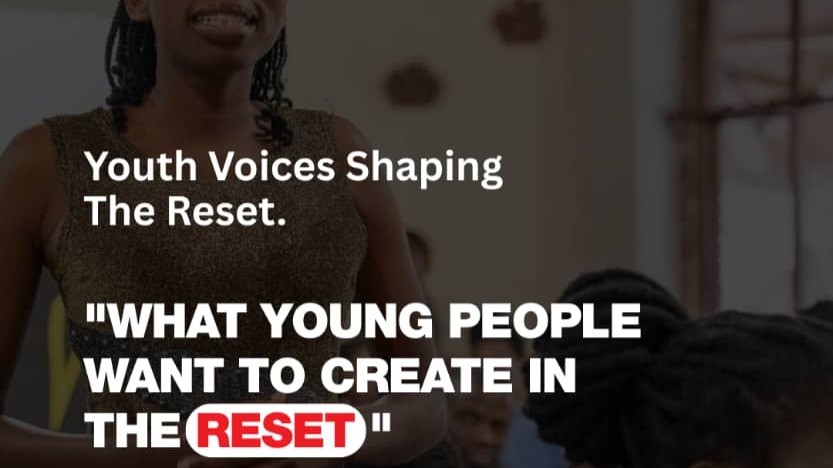
Featuring the voice of Annle Ncube (Zimbabwe)
As young people across the #ChangeTheCode campaign continue to speak out, one truth keeps coming out: The Humanitarian Reset still feels distant, especially for those living the realities of crisis every day.
And no story captures this more clearly than the voice of Annle Ncube, a young woman activist from Binga, Zimbabwe. Her community is facing displacement due to the Gwayi-Shangani Dam, a situation that has already become a quiet humanitarian emergency.
Annle works daily to empower girls and young women through life skills, resilience training, and menstrual dignity initiatives. But the crisis unfolding around the dam has exposed deeper systemic failures. Her community is still waiting for:
- a clear relocation plan,
- compensation for lost livelihoods,
- and basic services like schools, water, and healthcare in any new resettlement area.
As she puts it: “Stop creating a humanitarian crisis through inaction. Our lives are not a negotiable sacrifice for national development.”
In Binga, the suffering is not caused by a “natural disaster”; it is the direct result of human decisions, delays, and opaque processes. As young people often remind us that disasters are not natural and vulnerability is created. And in this case, it is being created through silence and inaction.
From Annle’s story and from youth voices across all regions, here are three things young people say are missing from the Humanitarian Reset.
1. A Reset That Speaks Our Language – Not One That Feels Abstract
Annle says the reset “feels abstract and lacks accountability.” She is not alone. Young people repeatedly told us the reset feels like a policy conversation happening far away, couched in technical terms and institutional language.
For youth facing real crises like displacement, hunger, and climate shocks, the reset doesn’t yet translate into tangible action. There is a gap between what communities need now and what the reset is promising on paper.
2. A Reset Rooted in Local Realities, Not Global Process
In Annle’s community, the humanitarian crisis is being created through delayed decisions and a lack of transparency, not through natural hazards.
Her message echoes youth elsewhere:
- A reset that doesn’t address local power dynamics,
- doesn’t confront delays,
- and doesn’t mandate direct engagement with affected communities…
…is not a reset at all – it is another cycle of exclusion.
Young people want a system that acknowledges their expertise, their lived experience, and their leadership in times of crisis.
3. A Reset That Shifts Power – Especially Funding Power
If Annle could rewrite one thing in the humanitarian system, she would remove the barrier preventing direct, flexible funding from reaching youth-led organisations.
In her words: “A fixed percentage of crisis funds must flow directly to local actors.”
This is one of the biggest missing pieces in the reset. Without meaningful financing structures for youth-led and community-based actors, the reset risks becoming symbolic. Young people do not want to be invited into the system; they want to build and lead within it.
What Annle’s Story Shows Us About the Reset
Her experience in Binga is not an isolated story. It reflects the concerns raised across the #ChangeTheCode campaign consultations and engagements.
- Unclear communication
- Distant decision-making
- Bureaucratic barriers are blocking local actors
- Exclusion from leadership spaces
- Slow or absent responses that deepen local suffering
Youth are not asking for a seat at the table as decoration. They are asking for direct involvement in decisions, transparency, and funding mechanisms that reach the grassroots.
Annle’s community deserves clarity, dignity, and participation, not silence and delays.
What We Admire About the Reset
Even with its gaps, young people see some promising signals in the Reset:
1. A renewed emphasis on putting people at the centre
The Reset stresses the need for a more people-centred humanitarian system, one that listens better, responds faster, and rebuilds trust. This aligns with youth demands for meaningful participation, even if youth-specific pathways are not yet defined.
2. Early signals toward strengthening in-country leadership
While the Reset does not yet commit to recognising youth and youth-led, its intention to simplify coordination and strengthen national response capacity offers a small opening to push for deeper inclusion.
These are early signals – not achievements. And young people want to see them turn into real, lived change.
What Young People Want to Create in the Reset
Taking the insights from Annle and youth across the campaign, here is what young people envision:
1. A reset grounded in the people most affected – One that begins with community voices, not afterthought consultations.
2. Leadership that reflects frontline realities – More youth, more young women, more local actors shaping priorities and allocating resources.
3. A humanitarian system that feels close, not distant – Where information is accessible, funding reaches the grassroots, and communities see real change.
A Note on Listening and Leadership
Recently, UN Humanitarian Chief Tom Fletcher emphasised how vital it is to listen to frontline responders and bring new voices into humanitarian leadership. His Listening Channel – “The Humanitarian Listening Channel” https://www.unocha.org/listening-channel reflects a growing recognition that real reform cannot happen without hearing directly from people, including young responders who navigate crises every day. (Listening Channel)
For young people, this openness reinforces exactly what Annle and many others are saying: A reset built on listening, transparency, and shared leadership is the only reset that will work.
Annle’s story reminds us that the reset cannot succeed without courage, clarity, and community-led decision-making.
Next week, we continue spotlighting youth voices – highlighting young leaders who are reshaping humanitarian values from the ground up.
Stay tuned, subscribe, and keep the discussion alive.
👉🏽 Let your voice shape the reset.
👉🏽 Reach out to have your voice featured in our upcoming editions.
👉🏽 Follow our page and be part of the movement to #ChangeTheCode.