One of the strongest insights from the regional consultations was clear: The Humanitarian Reset remains unclear to many young people and the language feels technical and distant.So in this edition, we break it down simply:What is the Humanitarian Reset?A global process where humanitarian actors are trying to rethink how the system operates from funding, coordination, …

One of the strongest insights from the regional consultations was clear: The Humanitarian Reset remains unclear to many young people and the language feels technical and distant.
So in this edition, we break it down simply:
What is the Humanitarian Reset?
A global process where humanitarian actors are trying to rethink how the system operates from funding, coordination, and partnerships to accountability and leadership. In short: it’s a chance to redesign how humanitarian action works.
Why should youth care?
Because young people are driving change at community level, but are rarely included in system-wide conversations that affect their futures.
What’s the problem?
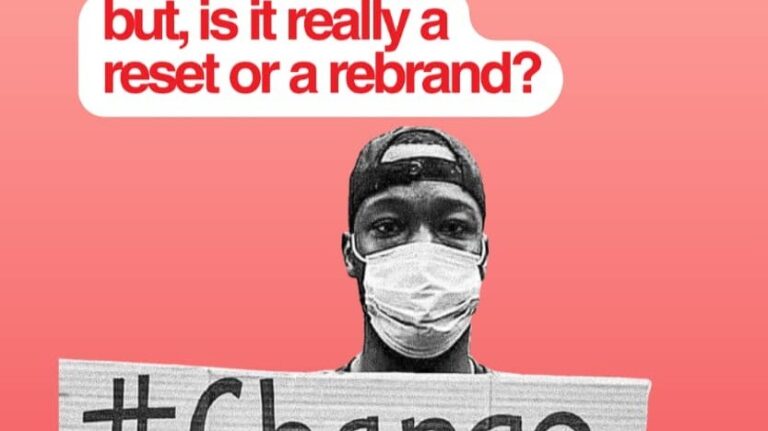
The reset is at risk of becoming another top-down reform without meaningful participation of youth. If youth voices are not intentionally included, the reset could reinforce the same power structures it claims to challenge.
What #ChangeTheCode is advocating for:
- Transparency in how decisions are made
- Youth and local leadership at the center
- Resources flowing to youth led and community actors.
- A system built with those most affected, not just governments and INGOs
This is the reset young people are demanding one grounded in inclusion, fairness, and accountability.
Next week, we’ll highlight real youth stories that show what an inclusive reset could look like in practice.
Stay tuned. By subscribing.
Engage with us by sharing with your networks, commenting below or reaching out with your stories to be featured in our upcoming editions.
Let your voices shape the reset. Follow our page . Change The Code Campaign