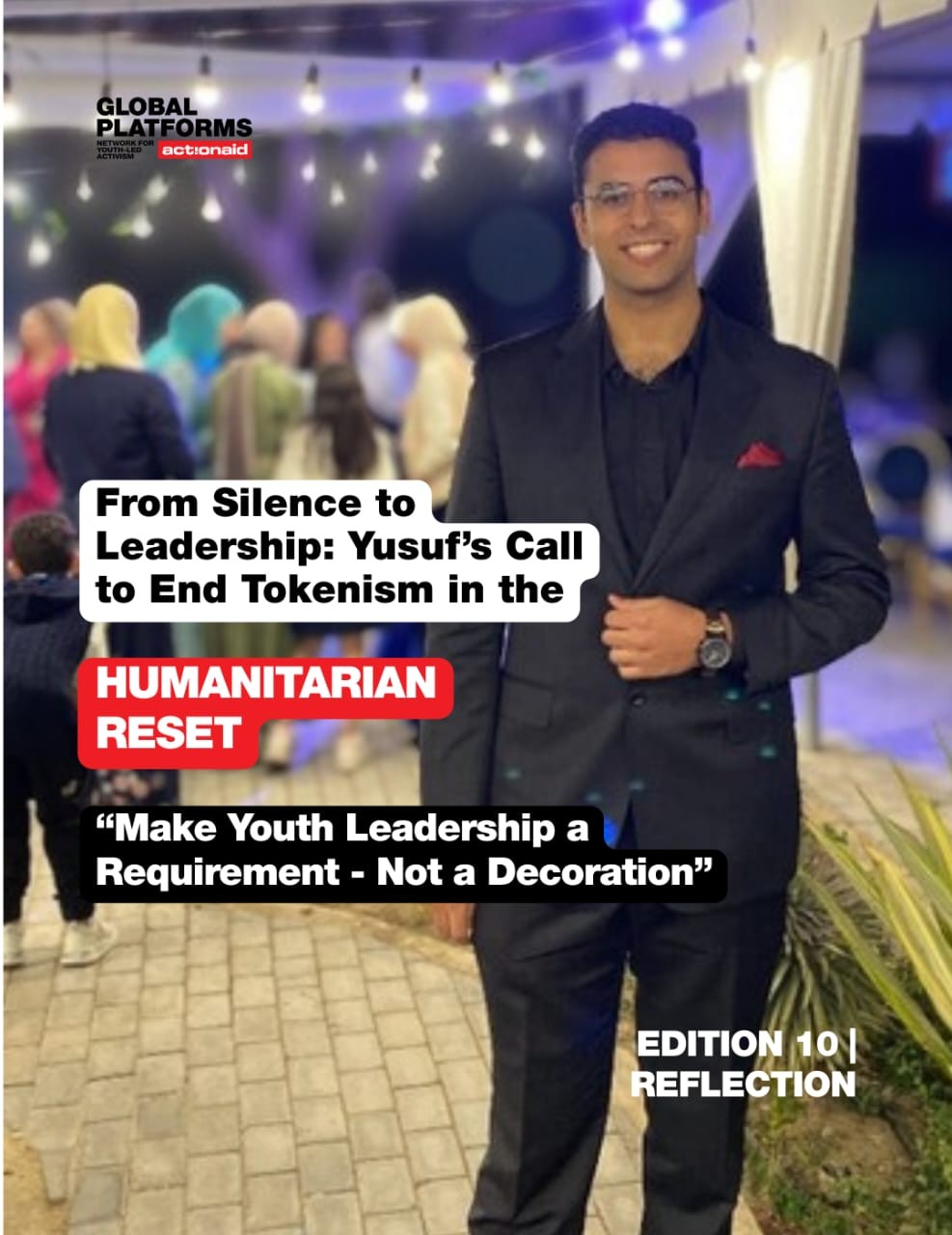
In Egypt, Yusuf Ehab (Biso) is working at the intersection of health, protection, and youth advocacy. A medical student and community leader, Yusuf focuses on gender-based violence prevention, Female Genital Mutilation (FGM) awareness, and creating safe spaces for dialogue in underserved communities.

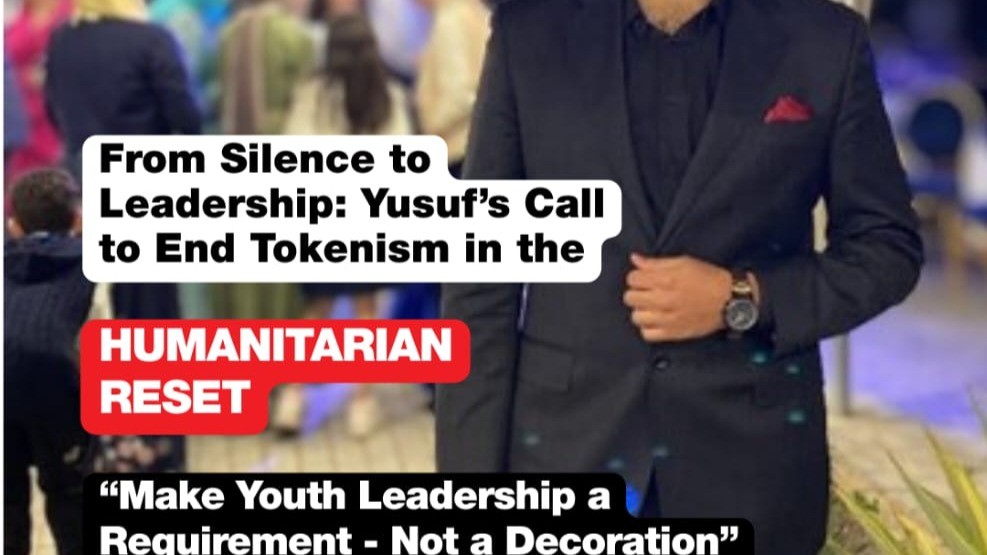
“Make Youth Leadership a Requirement - Not a Decoration”
In Egypt, Yusuf Ehab (Biso) is working at the intersection of health, protection, and youth advocacy. A medical student and community leader, Yusuf focuses on gender-based violence prevention, Female Genital Mutilation (FGM) awareness, and creating safe spaces for dialogue in underserved communities.
What drives him is a simple belief: knowledge, dignity, and safety can transform young lives.
Through school visits, awareness campaigns, and youth-led discussions on sexual and reproductive health, trafficking, and stigma, Yusuf works directly with students and volunteers to bring critical information into spaces where it is often missing.
The moment that changed everything
During one school campaign on gender-based violence, Yusuf encountered young girls who were afraid to speak even anonymously because they believed their pain “doesn’t matter.”
That silence became a turning point.
It revealed just how disconnected systems can become from the people they aim to protect, and reinforced the urgent need for humanitarian responses that are inclusive, youth-centred, and culturally aware.
What young people are asking for
Across his work, Yusuf hears a consistent message from youth:
They want trust, They want space to lead, And they want real participation in decisions affecting their bodies, safety, and futures.
“Stop treating youth as beneficiaries and start recognizing us as partners.”
The promise and the gap in the Humanitarian Reset
While the Reset feels promising, Yusuf believes it remains unclear how youth will be meaningfully included.
What is missing?
- Stronger mechanisms for youth representation
- Greater investment in youth-led initiatives
- Recognition of local knowledge
He connects most strongly with the workstream focused on rebalancing power and shifting resources to local actors, noting that youth often reach communities many international actors cannot.
Rewriting the system
If Yusuf could rewrite the humanitarian code, he would start by removing tokenism altogether.
“Youth should not be present only for visibility. We can #ChangeTheCode by making youth leadership a requirement, not a decoration.”
A message to young people everywhere
Yusuf leaves fellow youth with a powerful reminder:
“Your voice matters, even when the system makes you feel invisible. Keep speaking, keep organising, and keep pushing every change in history started with a young person who refused to be silent.”