Allyship means listening, learning, and leveraging privilege—not centering yourself. Here’s how to do it right.

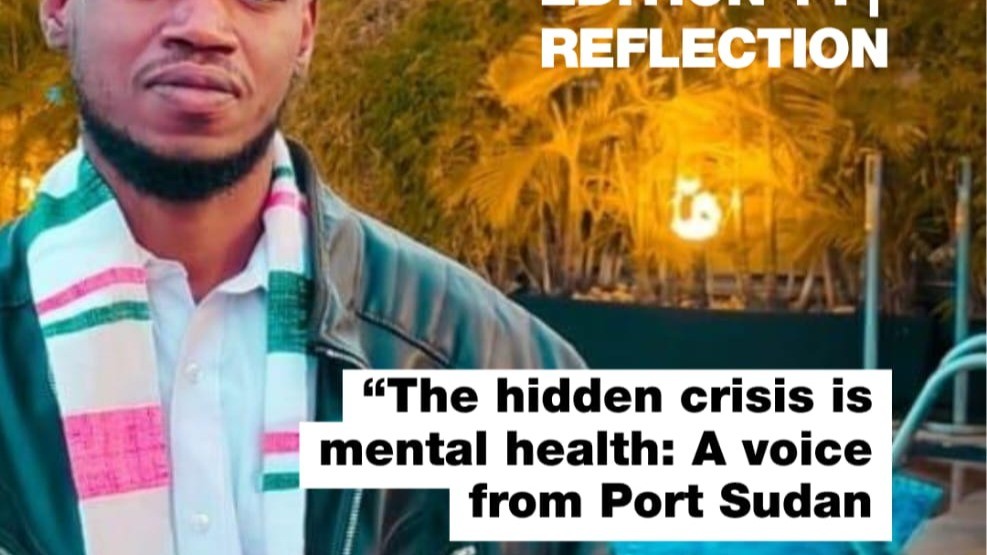
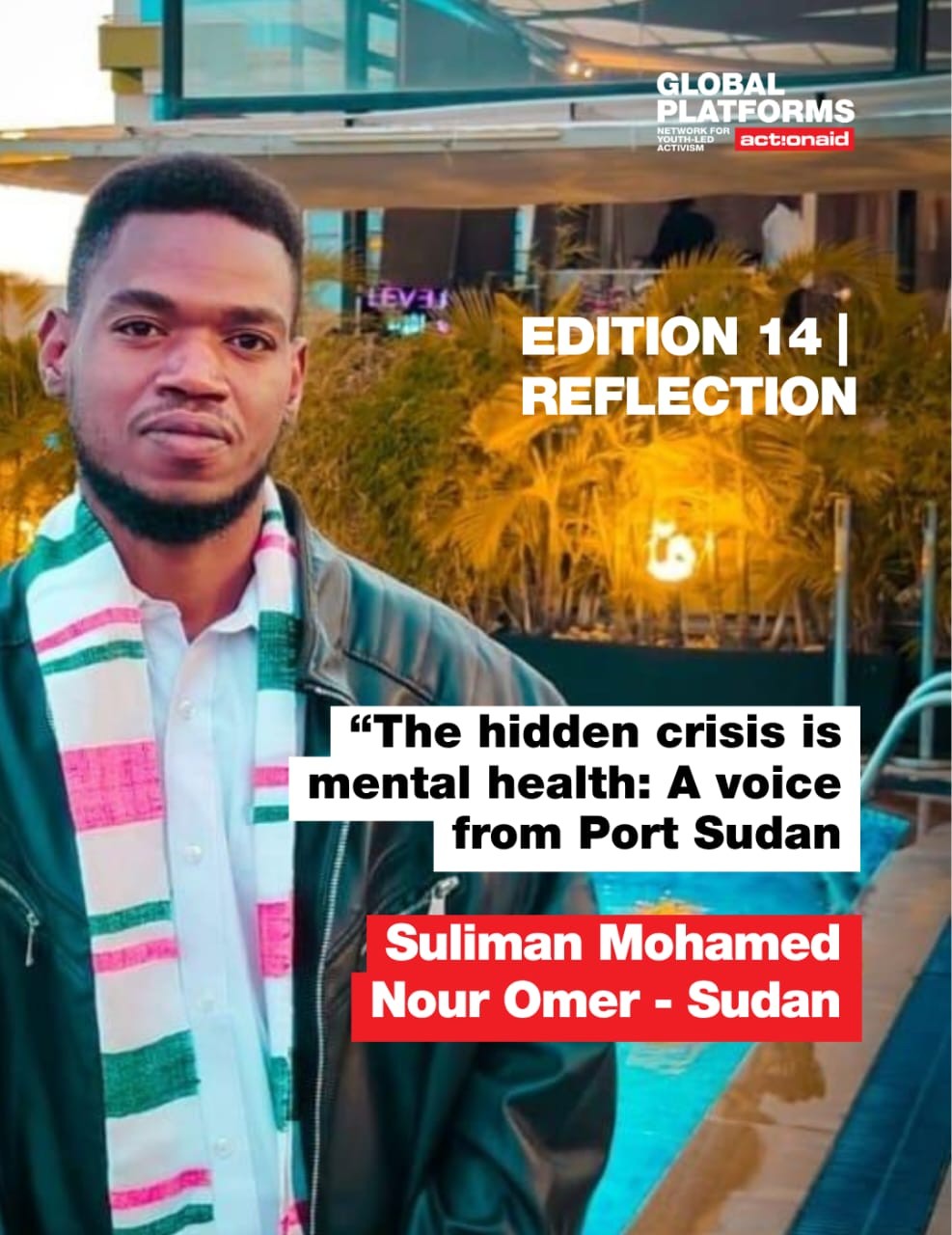
Featuring Suliman Mohamed Nour Omer - Sudan
While humanitarian discussions often focus on food, shelter, and security, another crisis is quietly growing across Sudan.
The mental health crisis among young people.
This week, we spotlight Suliman Mohamed Nour Omer, based in Port Sudan, who works on addressing the psychological pressures faced by young people involved in humanitarian response.
Supporting Youth Responders
Suliman focuses his work on the psychological stress experienced by youth working in humanitarian response.
He also conducts awareness sessions on protection from Gender-Based Violence, with particular attention to integrating displaced populations into host communities.
Balancing Personal Dreams and Community Responsibility
Suliman is a medical student nearing graduation, trying to balance his personal aspirations with the responsibility he feels toward his community.
Each day involves navigating multiple pressures:
- Academic commitments
- Family responsibilities
- Humanitarian work supporting communities affected by war
For him, this balance reflects the reality facing many young Sudanese today.
The Crisis the World Is Not Seeing
Beyond the visible humanitarian suffering, Suliman highlights a growing mental health crisis among youth.
Many young people are experiencing:
- Psychological trauma
- Loss of motivation and hope
- Rising substance abuse as a coping mechanism
These struggles often stem from exposure to violence, loss, and prolonged instability.
Youth as Both Victims and Responders
The crisis has also placed young people at the centre of the conflict itself.
Some youth have been drawn into armed groups, while others continue working to support their communities through humanitarian initiatives.
At the same time, the war has deepened social divisions and ethnic tensions among communities.
Youth Initiatives Promoting Peace and Resilience
Despite these challenges, youth initiatives continue to promote social cohesion and resilience.
Young people organise:
- Community dialogue sessions
- Economic empowerment workshops
- Cultural festivals celebrating Sudan’s diversity
- Sports activities that encourage peaceful coexistence
These initiatives aim to strengthen social cohesion and reduce tensions between communities.
Recognition Still Missing
Yet youth are rarely recognised as capable leaders within humanitarian response systems.
“They are mainly seen as volunteers,” Suliman explains, “and their ability to manage and lead programmes is often underestimated.”
What Needs to Change
For Suliman, improving humanitarian response requires addressing systemic challenges in how aid is designed and distributed.
Problems exist at multiple levels:
- Project design
- Funding processes
- Coordination mechanisms
- Communication with community stakeholders
Addressing these structural issues would make the humanitarian response more effective.
A Message to Humanitarian Leaders
Suliman’s message is clear:
“Investing in youth and local leadership is the most sustainable and effective path for humanitarian work.”Young people understand the realities of their communities.
And when they are empowered, they can lead solutions that are both effective and lasting.